Standard envelope types
Styles we convert
Open-side envelopes from 3″ x 4-1/4″ to 10″ x 15″. Catalog envelopes from 4-1/8″ x 5-3/4″ to 13-1/2″ x 16-1/2″.
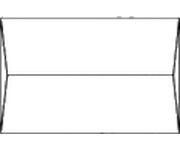
A Style
Long square flap, hidden seams. For cards and invitations.
Tap for detailsA Style
A-style envelopes are constructed with a long, elegant square flap, hidden side seams and a shorter back. They are perfect for greeting cards, invitations and announcements.
Tap to go back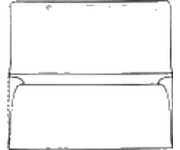
Remittance
Wallet flap with a big printing area. For reply mail.
Tap for detailsRemittance
Remittance envelopes have a wallet flap which provides a large printing area for order blanks or donation information. Used by charities, schools, churches and mail order companies, these envelopes are usually printed on both sides, which flat sheet printing and converting makes super easy.
Tap to go back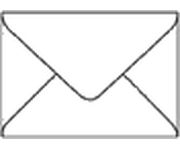
Baronial
Pointed flap, formal. For invitations and announcements.
Tap for detailsBaronial
Baronial envelopes, with their pointed flap, have a traditionally formal design well suited to invitations, promotions and formal correspondence.
Tap to go back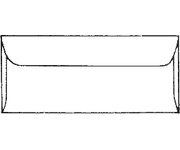
Side Seam
Straight flap, full back. Best yield from a parent sheet.
Tap for detailsSide Seam
Side seam envelopes have a straight flap with round or square corners, hidden side seams and a full back. Their more custom appearance is popular with designers. Printers appreciate the smaller one-up sheet size which has the best yield from a parent sheet.
Tap to go back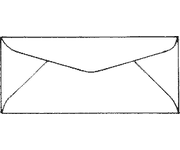
Diagonal Seam
Traditional commercial styling. Best for auto-inserting.
Tap for detailsDiagonal Seam
Traditional commercial styling is used for many business and personal correspondence needs. Diagonal seams work best for automated inserting and postage metering. Nested multiple-up templates make flat sheet printing and converting very price effective.
Tap to go back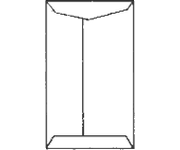
Open End Catalog
Flap on the short end. Sturdy, for catalogs and brochures.
Tap for detailsOpen End Catalog
With the seal flap on the short end, these envelopes offer sturdy construction for mailing brochures and catalogs, and are more economical.
Tap to go back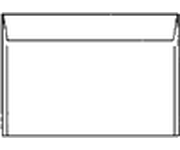
Open Side Booklets
Flap on the long side. Formal, for statements and photos.
Tap for detailsOpen Side Booklets
Booklet envelopes have the flap on the long side and have a more formal appearance. They work well for machine inserting and are popular for sending large photos, statements and brochures.
Tap to go back

